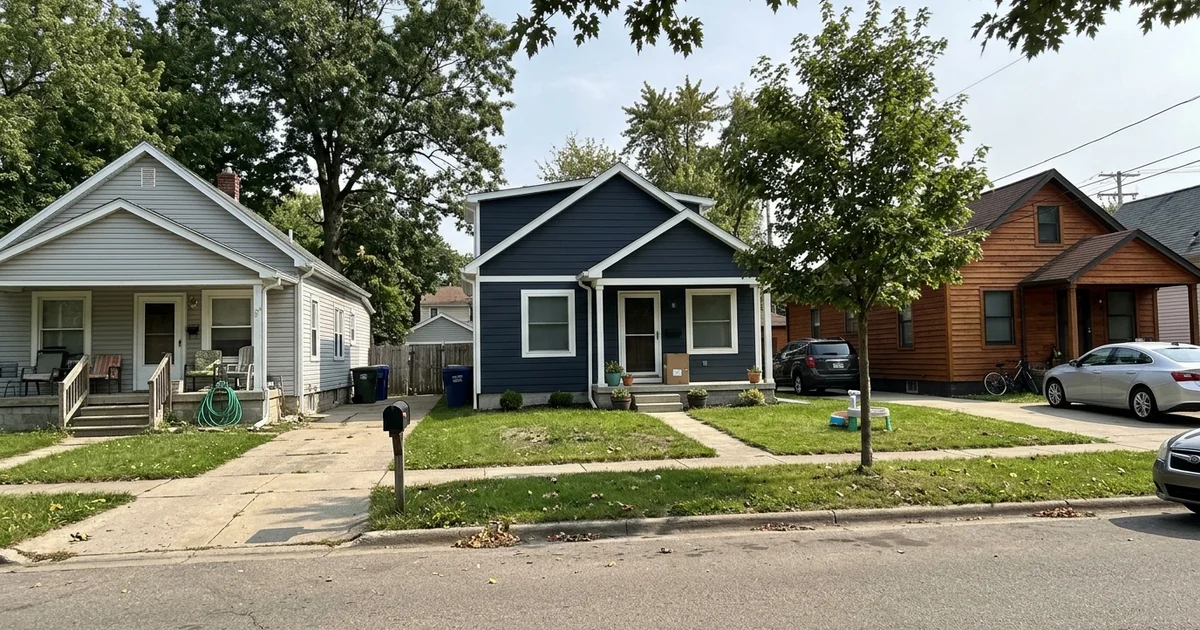
Three Good Materials, Three Different Trade-offs
Vinyl, fiber cement and wood (most often cedar) cover nearly every siding project we see in West Michigan. A vinyl vs fiber cement vs wood siding decision comes down to money, upkeep and patience, because all three can look great and last for decades here.
As a Grand Rapids siding contractor that installs and repairs all three, we don’t have a favorite we’re trying to sell you. This guide lays them side by side so you can pick the one that fits your house and how you live.
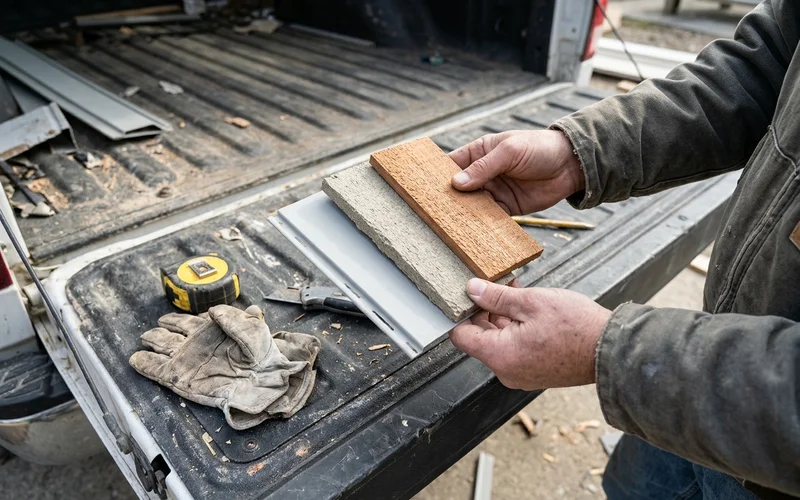
Hold a piece of each and the differences are obvious. Vinyl is light and flexible. Fiber cement is heavy and stiff, almost like a thin stone board. Cedar is light, warm and smells like wood.
Those physical differences drive almost everything else. Below, we’ll compare the three on cost, upkeep and cold-weather durability, then walk through each material and a few questions that help you choose.
Quick take
Want low upkeep and the lowest cost tier? Vinyl. Want the look of painted wood on a board that won’t rot? Fiber cement. Want real wood and don’t mind regular staining? Cedar.
Side-by-Side Comparison
Here’s how the three stack up on the things Grand Rapids homeowners ask us about most. Cost is shown as a relative tier, not a dollar figure, because the real number depends on your house.
| Vinyl | Fiber cement | Wood / cedar | |
|---|---|---|---|
| Relative cost tier | Lowest | Higher | Higher |
| Upkeep | Occasional wash | Repaint and recaulk over time | Regular stain or paint |
| Freeze-thaw durability | Good, but brittle in deep cold | Strong when edges are protected | Good when finish is kept up |
| Rot and insects | Doesn’t rot | Doesn’t rot, not attractive to insects | Can rot and attract woodpeckers if neglected |
| Look | Wide color range, some wood-grain textures | Painted wood lap look | Real wood grain and texture |
| Impact resistance | Can crack in cold; insulated vinyl is stiffer | Stiff and solid | Dents and splits on hard hits |
| Repairs | Panels swap out; matching faded colors is the hard part | Single planks replaced and painted | Single boards replaced and stained |
| General lifespan range | Roughly 20 to 40 years | Roughly 30 to 50 years | Roughly 20 to 40+ years with care |
Dollar numbers help set expectations, even if your quote will differ. Angi’s 2026 cost data puts vinyl at $3 to $12 per square foot and fiber cement at $5 to $14.
The 2025 Cost vs. Value Report from the Journal of Light Construction shows how that plays out on a full house:
| National averages | Vinyl | Fiber cement |
|---|---|---|
| Job cost | $17,950 | $21,485 |
| Resale value | $17,313 | $24,420 |
| Cost recouped | 97% | 114% |
Michigan sits in the report’s East North Central region, which ran lower for both materials. Vinyl recouped about 80% and fiber cement about 101%. Fiber cement still held its value better.
For more on lifespans and what shortens them here, see how long siding lasts in Michigan.
Vinyl Siding: Low Upkeep, Lowest Cost Tier
Vinyl siding is the most common siding on Grand Rapids houses, and it’s easy to see why. It doesn’t rot, it never needs paint, and it costs the least of the three. Today’s vinyl comes in standard lap, Dutch lap, board and batten and shake-style panels.
Honest drawbacks:
- It gets brittle in deep cold, so winter impacts can crack it. The Journal of Light Construction’s builder guide notes that in intense cold, vinyl can shatter from the hit of an icy snowball.
- It fades over time, especially on sunny walls, which makes repairs harder to match later.
- It expands and contracts a lot. The same guide says vinyl moves more with temperature swings than any other popular siding, so installed too tight, it ripples.
- It looks like vinyl up close, even with a wood-grain texture.
Installation details matter more than most people expect. Lowe’s installation guide calls for a 3/8-inch expansion gap when you install below 40 degrees Fahrenheit. It also says to leave about 1/16 inch between the nail head and the panel so the siding can slide.
Ask your installer how they handle both. A crew that nails vinyl tight will give you waves by the first hot summer.
Best fit: budget-conscious projects, rental properties, houses where low upkeep matters most, and anyone who’d rather never paint again. Thicker or insulated panels are worth asking about if your walls take a lot of bumps.
Fiber Cement Siding: The Painted-Wood Look Without the Rot
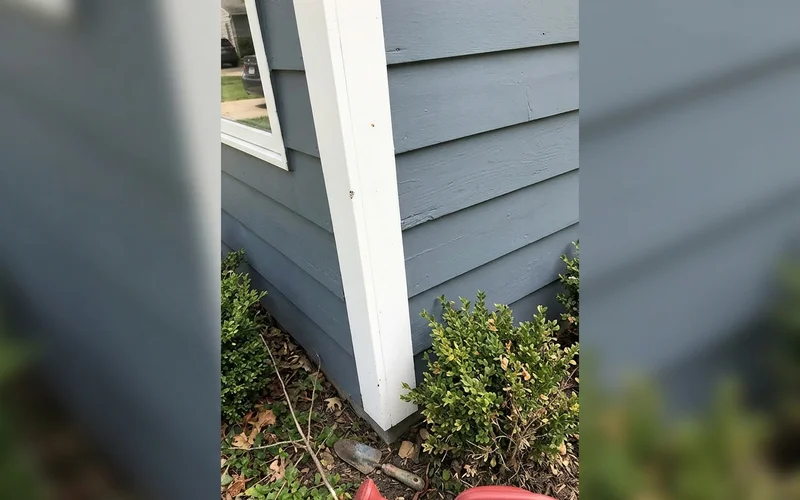
Fiber cement siding is made from cement, sand and wood fibers. It gives you the look of painted wood lap siding on a board that holds its shape, doesn’t rot and doesn’t attract insects. It’s heavy, solid and stays flat on the wall.
Honest drawbacks:
- It costs more than vinyl, in material and labor. The boards are heavy and slower to install, and crews need respiratory protection when cutting because the dust contains silica.
- It needs paint eventually. Factory-finished boards hold color longer than field paint.
- Caulk joints need checking over the years.
- It must be installed with clearances at the roofline and ground and with joint flashing. Skip those and the edges soak up water.
The factory finish is worth a close look. James Hardie backs its ColorPlus finish with a 15-year limited warranty and its siding with a 30-year nonprorated limited warranty on the board. The finish coverage steps down each year, and claims often get denied over installation, so ask your contractor to show you how they follow the manufacturer’s instructions.
One builder quoted on James Hardie’s site says field-applied paint gave him only four to five years before the next coat. That’s one contractor’s experience, but it matches what we see on south and west walls.
Best fit: homeowners who want a classic painted look, older homes getting new siding where vinyl would look out of place, and anyone who wants a solid, rot-free wall and doesn’t mind repainting on a schedule.
Wood and Cedar Siding: Real Wood, Real Upkeep
Wood and cedar siding is the original. Cedar bevel siding, shakes and shingles have covered Michigan houses for generations. Nothing else looks or feels quite like it, and you can repair it a board at a time.
Honest drawbacks:
- It needs regular stain or paint. Most guides put resealing or restaining at every three to five years, and south and west walls wear first.
- Skip the finish and boards gray, split, cup and eventually rot.
- Woodpeckers like it.
- New cedar sits in a higher cost tier, similar to or above fiber cement depending on grade and style.
The woodpecker issue is real, and it usually points to something else. Today’s Homeowner says woodpeckers mostly peck cedar to reach insects, though they also drill nest holes in breeding season. A bird that keeps returning can be a sign of bugs in the wall, so have the boards checked.
Don’t count on a quick fix, either. The Raptor Trust, a New Jersey bird rehabilitation group, reports that no repellent applied to siding has worked well so far. Its best advice is physical barriers, like taut netting set at least three inches off the wall.
Best fit: older homes with original wood siding worth keeping, cottage and craftsman styles, and homeowners who enjoy the look enough to keep up with the finish.
How to Choose for Your House
A few questions narrow it down fast, and they work whether you’re comparing cedar vs vinyl siding or weighing fiber cement vs vinyl:
- How much upkeep will you really do? If the honest answer is “none,” vinyl is the safe pick.
- What does the house want to look like? A 1920s house in Heritage Hill and a 1990s colonial in the suburbs suit different materials.
- What’s the budget tier? Vinyl sits lowest. Fiber cement and cedar cost more, though fiber cement has recouped more at resale in the Cost vs. Value data.
- What’s already there? If most of your wood siding is sound, repairing it is often smarter than replacing it with anything.
The best siding for Michigan is the one you’ll maintain and the one installed correctly. Freeze-thaw winters punish gaps, loose flashing and skipped finish, no matter which material you pick.
Mixing materials is common too. Lap siding on the walls with shakes or board and batten on the gables gives a house some character without changing the whole budget.
Still Deciding?
We bring samples of all three to every estimate so you can see them in real daylight against your roof and trim. You’ll get a plain answer on which one we’d pick for your house and why, with a straight price range in writing.
If your siding isn’t finished yet, read siding repair vs. replacement before you decide anything. When you’re ready, get a free estimate.