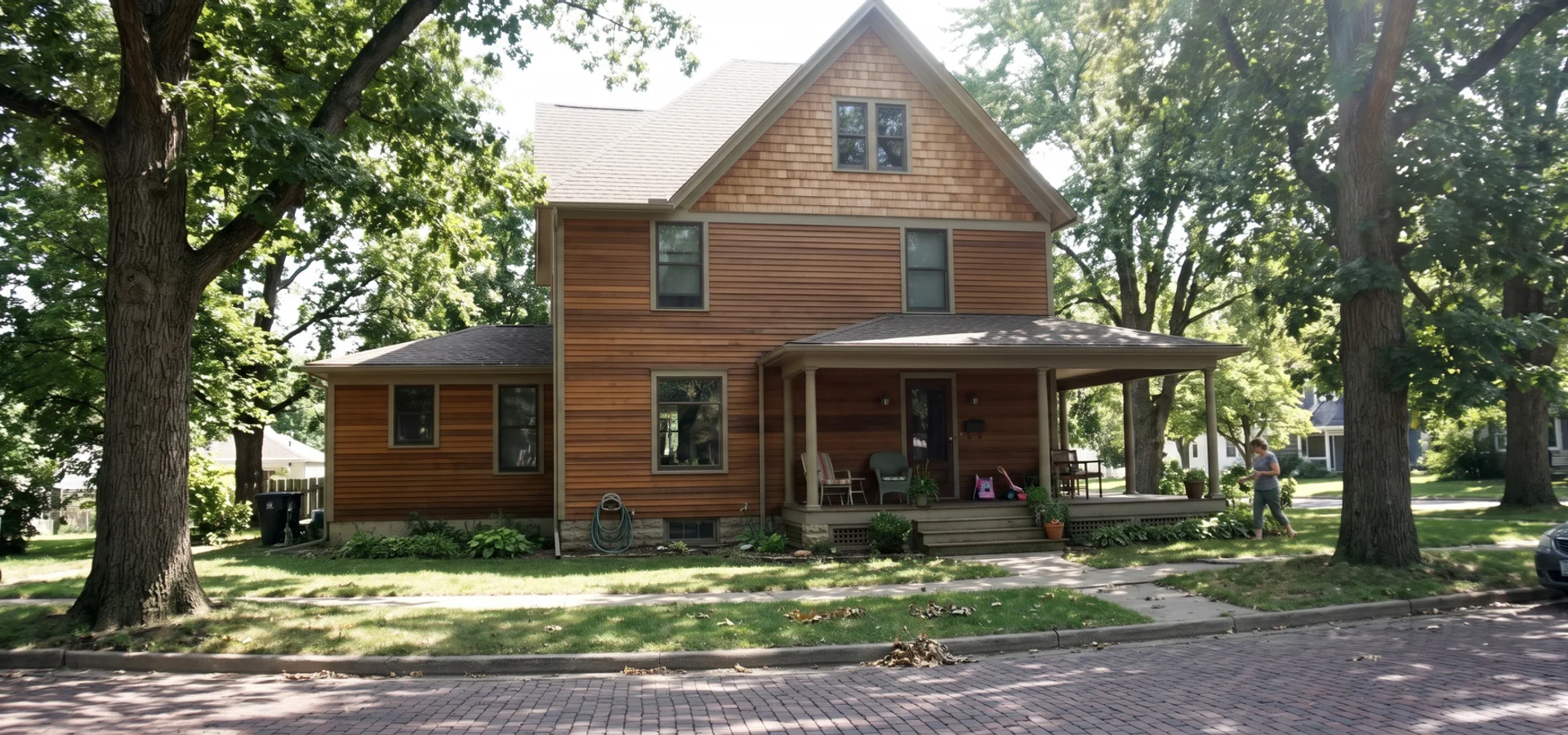
Older Grand Rapids home with freshly stained cedar lap siding and cedar shingles in the gable
05 / Grand Rapids, MI

Wood and Cedar Siding Repaired Board by Board, or Put On New

Cedar and other wood siding repaired board by board, or put on new, stained or painted to suit the house.

  • 20+ Years On Grand Rapids siding
  • Free Estimates No pressure to sign
  • Straight Price Ranges Written, not over the phone
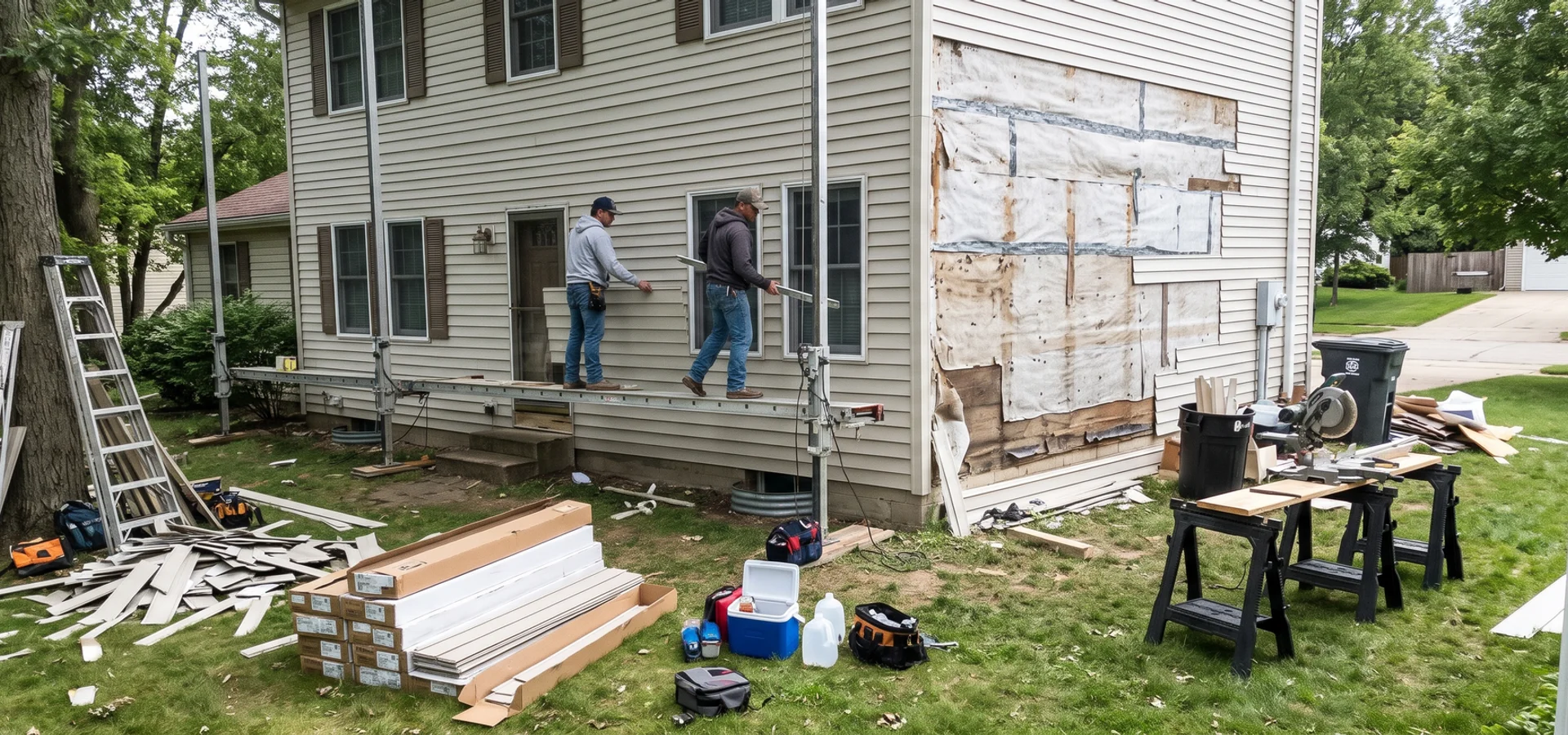
  • Tear-Off First No new siding over old

Can Wood Siding Be Saved?

Usually, yes. Wood siding can be saved one board at a time, and that goes for cedar siding in Grand Rapids too. We replace split, rotted and woodpecker-damaged boards with matching profiles, and put on new cedar or wood siding when the house needs it. Everything gets back-primed and stained or painted to suit the house, so the repair blends in and the wood lasts.

A lot of Grand Rapids houses still wear their original wood siding, especially the older ones near downtown and in neighborhoods like Heritage Hill and Eastown. According to Experience Grand Rapids, Heritage Hill is one of the nation’s largest urban historic districts, with about 1,300 homes dating back to 1843.

When a few boards go bad, it’s tempting to think the whole house needs new siding. It rarely does, and as a Grand Rapids siding contractor we’d rather tell you that than sell you a reside.

What Kinds of Wood Siding Do You Work On?

We repair and install the wood siding profiles you see on West Michigan homes:

  • Bevel siding, the classic tapered lap board, often in western red cedar
  • Tongue and groove and shiplap boards, which interlock edge to edge
  • Cedar shakes and shingles, common on gables and on cottage-style houses
  • Painted wood clapboard on older homes

On older houses, we match the profile as closely as possible. If a profile isn’t stocked anymore, it can sometimes be milled to match. You’ll see your options before we start, so there are no surprises.

How Do You Repair Wood Siding So It Lasts?

The repair itself is simple: cut out the bad board, fit a new one. What makes it last is the prep and the details.

Here’s what we do on nearly every repair:

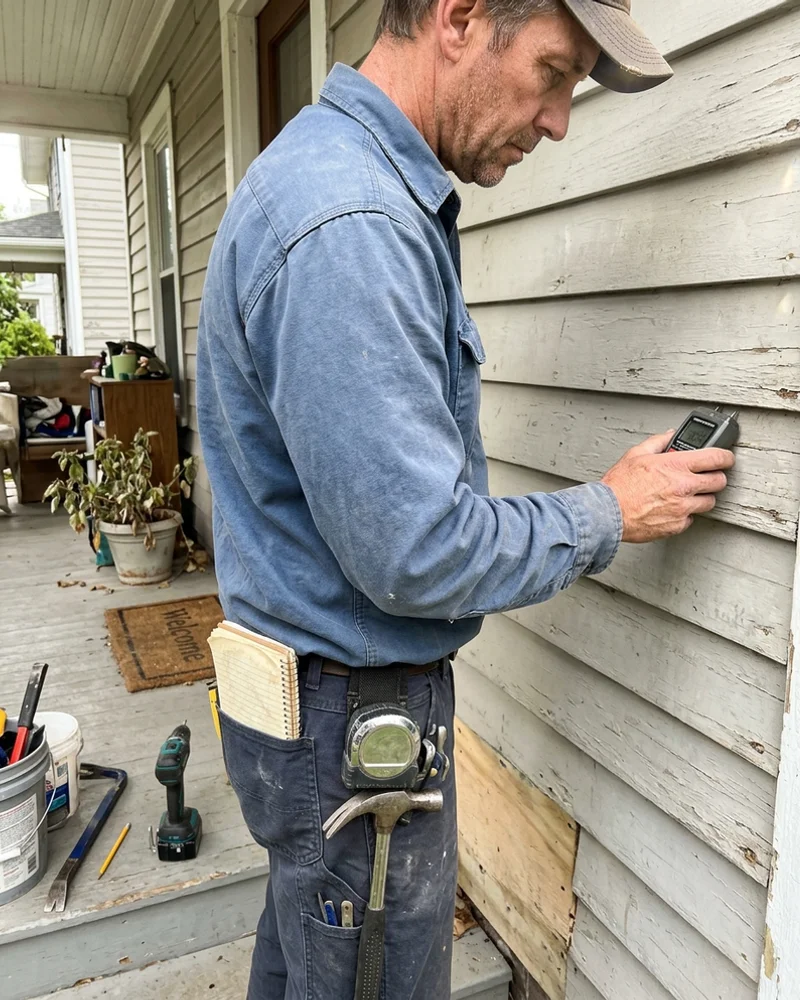
  • Test first. We check suspect boards with a moisture meter so we know which ones are actually wet and soft, not just ugly.
  • Back-prime every new board. A board that’s only painted on the face drinks water from the back and cups.
  • Block the stain. Cedar repairs get an acrylic latex primer or a stain-blocking primer so tannin bleed from the wood doesn’t stain through light paint.
  • Check for pests. Woodpeckers often go after insects living in the siding, so we look for the cause before we patch the holes.

Priming matters more than most people expect. A thread on the PaintTalk forum lists cedar that wasn’t dried to roughly 8 to 15 percent moisture before finishing, and cut ends or edges left unprimed, among the common causes of tannin bleed.

We fasten with stainless steel ring-shank nails or galvanized nails. Plain steel nails rust and leave black streaks down cedar. Builders on the Fine Homebuilding forum say stainless, hot-dipped galvanized and aluminum nails all hold up on red cedar, because cedar is corrosive to bare steel.

Then we finish with paint or a semi-transparent stain to match the rest of the wall.

New Cedar Siding

When the house needs it, we put on new cedar lap, shake or shingle siding. It’s a good fit for Grand Rapids homes that want that warm, natural look.

On new installs, we can talk about a rainscreen gap, a small air space behind the siding that helps wood dry from the back. Industry guidance often points to a gap of about one-quarter to three-eighths of an inch, and it doesn’t take much space to make a difference.

Cedar needs regular stain or paint to look its best. Angi suggests restaining or refinishing cedar siding every three to seven years, depending on your climate and how much sun and weather the wall takes. We’ll be honest about that upkeep at the estimate, so you know what to plan for.

Wood vs. Fiber Cement

If you love the look of wood but not the upkeep, fiber cement siding gives a painted-wood look on a board that doesn’t rot. For a side-by-side look, read vinyl vs. fiber cement vs. wood siding. To understand how long each material lasts here, see how long siding lasts in Michigan.

Not sure whether to repair or replace? Start with our siding repair page, then reach out for an honest look at your cedar siding in Grand Rapids. We’ll tell you what can be saved and what can’t.
Common Problems We Fix

Problem 01

Split and cupped boards

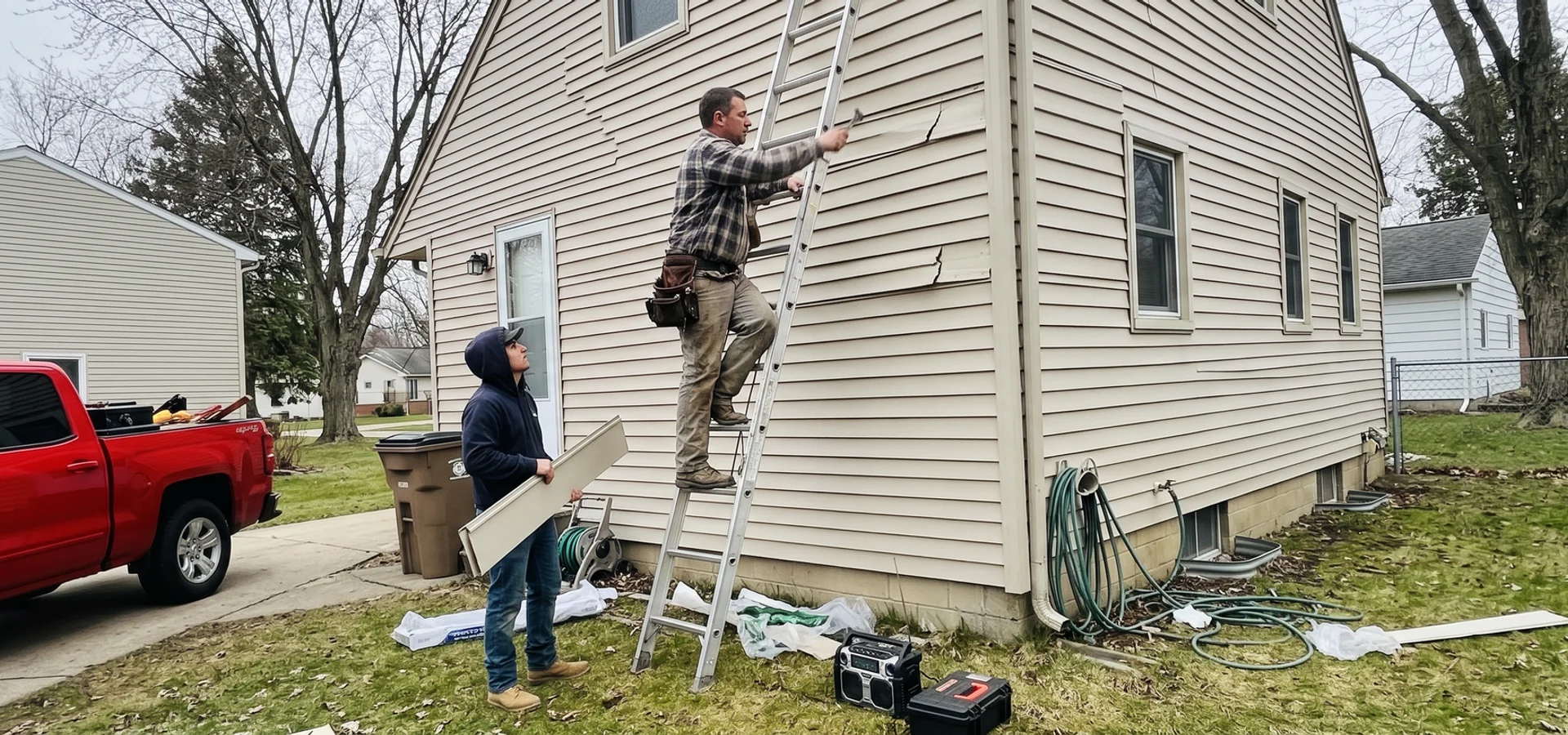
Sun, moisture and age make wood boards split along the grain or curl at the edges. We swap them out one at a time.

Problem 02

Rot near the ground and under windows

Boards close to grade, below windowsills and behind leaky gutters stay wet longest. We cut out the soft ones and find where the water is coming from.

Problem 03

Woodpecker holes

Cedar is a favorite target. We replace the damaged boards and seal them so the wall looks whole again.

Problem 04

Black streaks around nails

Plain steel nails react with cedar and stain the wood. We use stainless or galvanized fasteners on every board.

Straight Price Ranges

How Much Does Wood and Cedar Siding Cost in Grand Rapids?

Depends on how many boards, profile matching, finish and access. New cedar is priced by wall area. Free estimate.

No figures over the phone
Factor 01

Number of boards

Board-by-board repairs are priced by how many boards come out and how hard they are to reach.

Factor 02

Profile matching

Common bevel and lap profiles are easy to find. Older or unusual profiles may need to be sourced or milled.

Factor 03

Finish

Back-priming, stain or paint, and how much of the wall needs refinishing to blend the repair.

Factor 04

Wood species and grade

For new siding, cedar grade and style (lap, shake or shingle) change the material cost.

Factor 05

Height and access

High gables and second stories need ladders or staging.

Factor 06

Hidden damage

If the wall behind the boards is soft, we show you and price the fix before doing it.

Your number, in writing

We look at the house, measure, and give you a written estimate with a straight price range. It costs nothing and there is no pressure to sign.

Why Us for Wood & Cedar

Why Grand Rapids Homeowners Call Us for Wood and Cedar Siding

01

Board by board, not wall by wall

Wood siding is a great candidate for repair. We replace the bad boards and keep the good ones on the house.

02

Respect for older homes

Many older Grand Rapids homes have wood profiles worth keeping. We match them closely so the house keeps its character.

03

Back-primed every time

New boards are sealed on all sides before they go up, so they don't drink water from the back and cup.

04

Right fasteners for cedar

Stainless steel ring-shank or galvanized nails hold tight and won't leave black streaks down your siding.

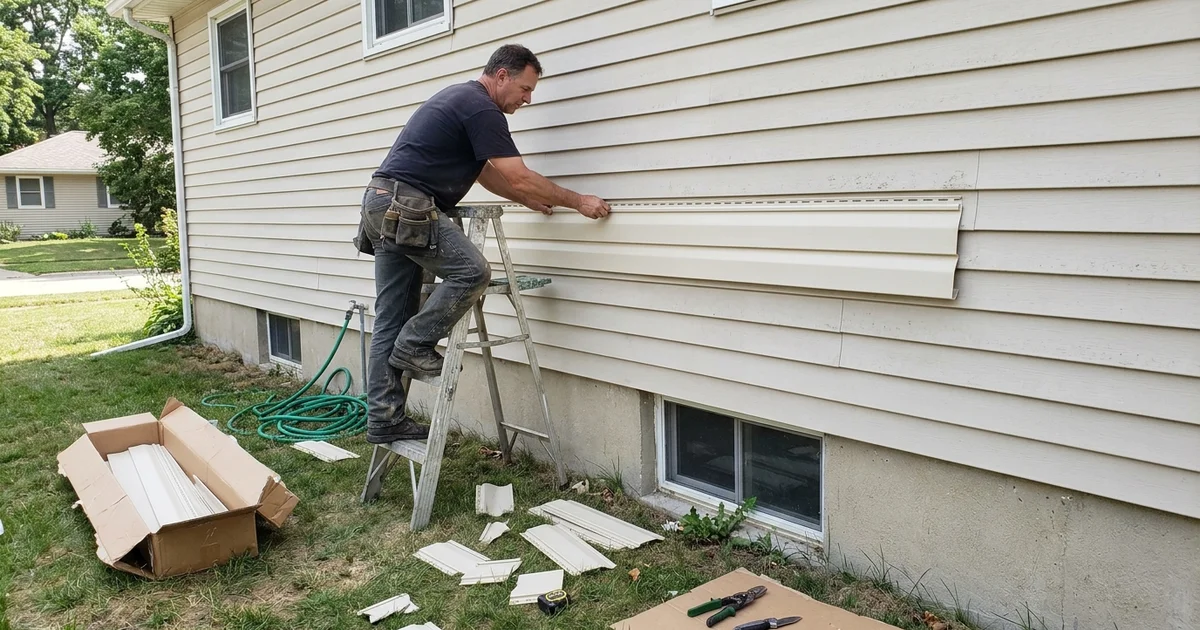
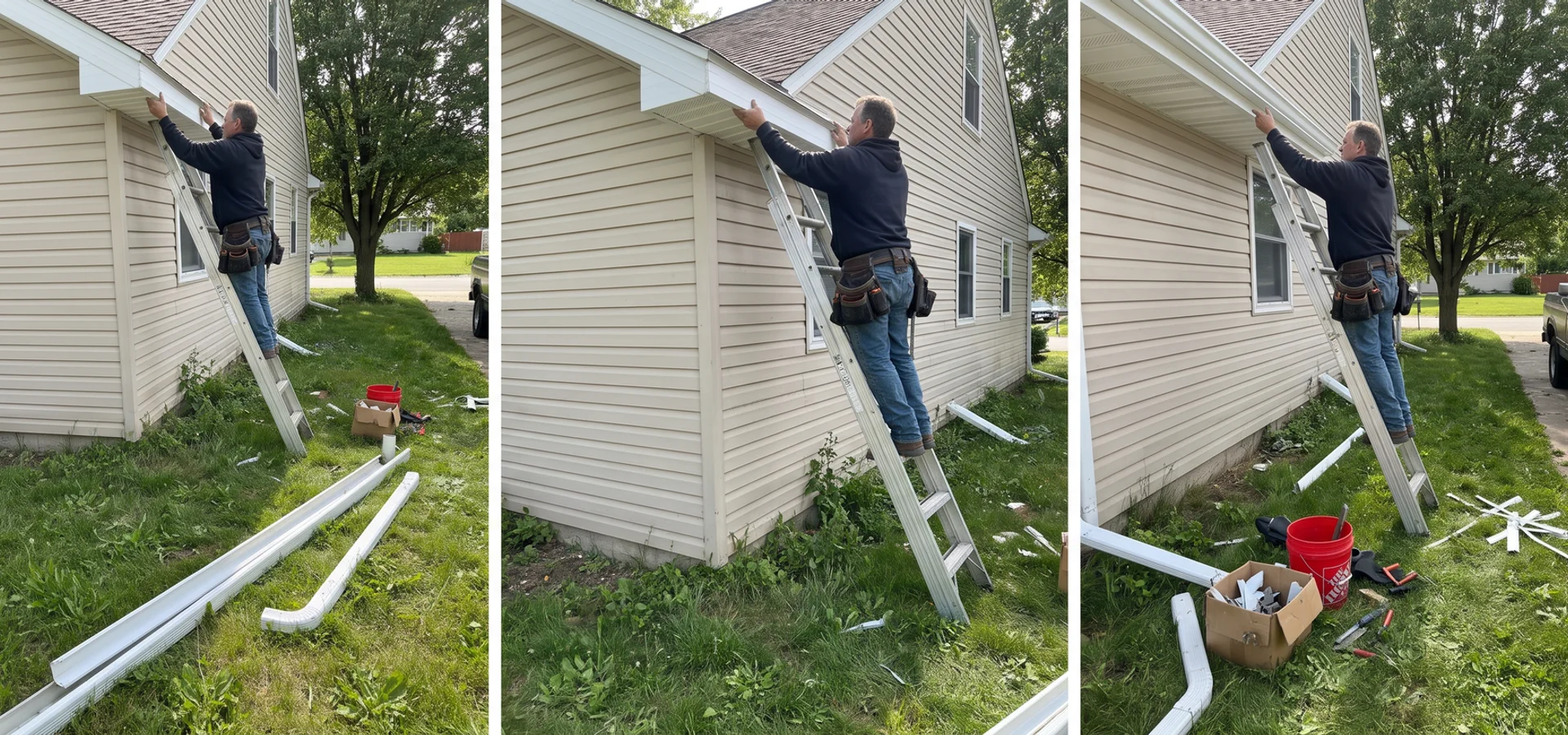
Carpenter checking old wood siding with a moisture meter before replacing boards
Field Report / Wood & Cedar

How Does Wood and Cedar Siding Work?

  1. 01

    Walk the walls

    We look at every side of the house, check suspect boards with a moisture meter and tell you which boards need replacing.

  2. 02

    Match the profile

    We match bevel, tongue and groove, shiplap or shingle profiles as closely as possible and show you before we start.

  3. 03

    Replace and back-prime

    Bad boards come out carefully. New boards are back-primed on all sides and fastened with stainless or galvanized nails.

  4. 04

    Stain or paint to blend

    We finish the new boards to suit the house so the repair blends in and the wood is protected.

Timing depends on the size of the job and Michigan weather. You get a timeline with your estimate.

Get a Free Estimate
Recent Work

Our Wood and Cedar Siding Work

Real houses, real walls. Click any photo to see it larger.

Click any photo to enlarge
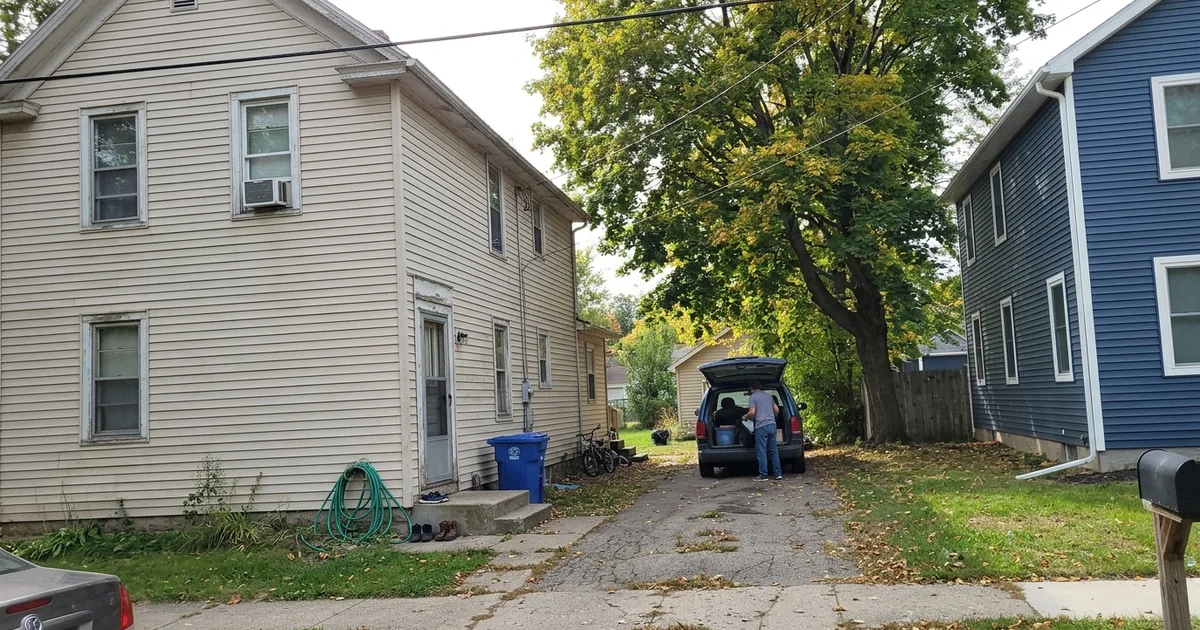
01 / Cedar siding with woodpecker holes and split boards before repair
02 / The same cedar wall after board-by-board repair, stained to blend
03 / New cedar shake siding on a bungalow gable
04 / Painted wood clapboard siding after repair and fresh paint

Not sure what your wood & cedar job needs?

We'll look at it, tell you straight whether a repair is enough, and put the price range in writing.

From the Neighbors

What Customers Say About Our Wood & Cedar Work

01
“Our old cedar had woodpecker holes and a few split boards. They swapped the bad boards, stained them to blend in, and you honestly can't tell where the repair is.”
Tom R. Heritage Hill, Grand Rapids / Wood and Cedar Siding
02
“Three other companies told us we needed all new siding. They replaced six cracked panels on the back of the house, matched the color about as close as you could ask, and left the rest alone.”
Karen V. Grand Rapids, MI / Siding Repair
03
“The estimate gave us an actual price range and listed the tear-off, house wrap and trim. When they found some soft sheathing under the old siding they showed us before fixing it. No surprises.”
Mike and Jen D. Grand Rapids, MI / Siding Replacement
Straight Answers

Wood and Cedar Siding FAQs

01

Can you replace just a few cedar boards?

Yes. Wood siding is a good candidate for board-by-board repair. We match the profile, back-prime the new boards and stain or paint them to blend in.

02

How often does cedar siding need stain or paint?

It depends on the finish and how much sun the wall gets. South and west walls wear out first; graying, peeling or cupping boards are signs it's time.

03

Can you match the wood siding on an older Grand Rapids home?

Usually. Many older homes in neighborhoods like Heritage Hill have wood profiles that can be matched or closely milled, and we'll show you options before we start.

04

Do you repair woodpecker damage?

Yes. We replace the damaged boards, back-prime and finish them, and seal up the holes so the wall is closed again.

05

Why are there black streaks on my cedar siding?

Usually it's the nails. Plain steel fasteners react with the natural tannins in cedar and leave dark streaks. We use stainless or galvanized fasteners to avoid it.

06

Do you install new cedar siding?

Yes. We put on new cedar lap, shake and shingle siding, back-primed and finished to suit the house.

07

Is cedar siding a good choice in Michigan?

It can be, if you're willing to keep up with stain or paint. Cedar handles cold well and looks great, but it needs regular finish care to last. Our material comparison guide covers the trade-offs.

08

What's a rainscreen gap?

It's a small air space behind the siding that lets wood dry from the back. It can help wood siding last longer and is something we can talk about for new cedar installs.

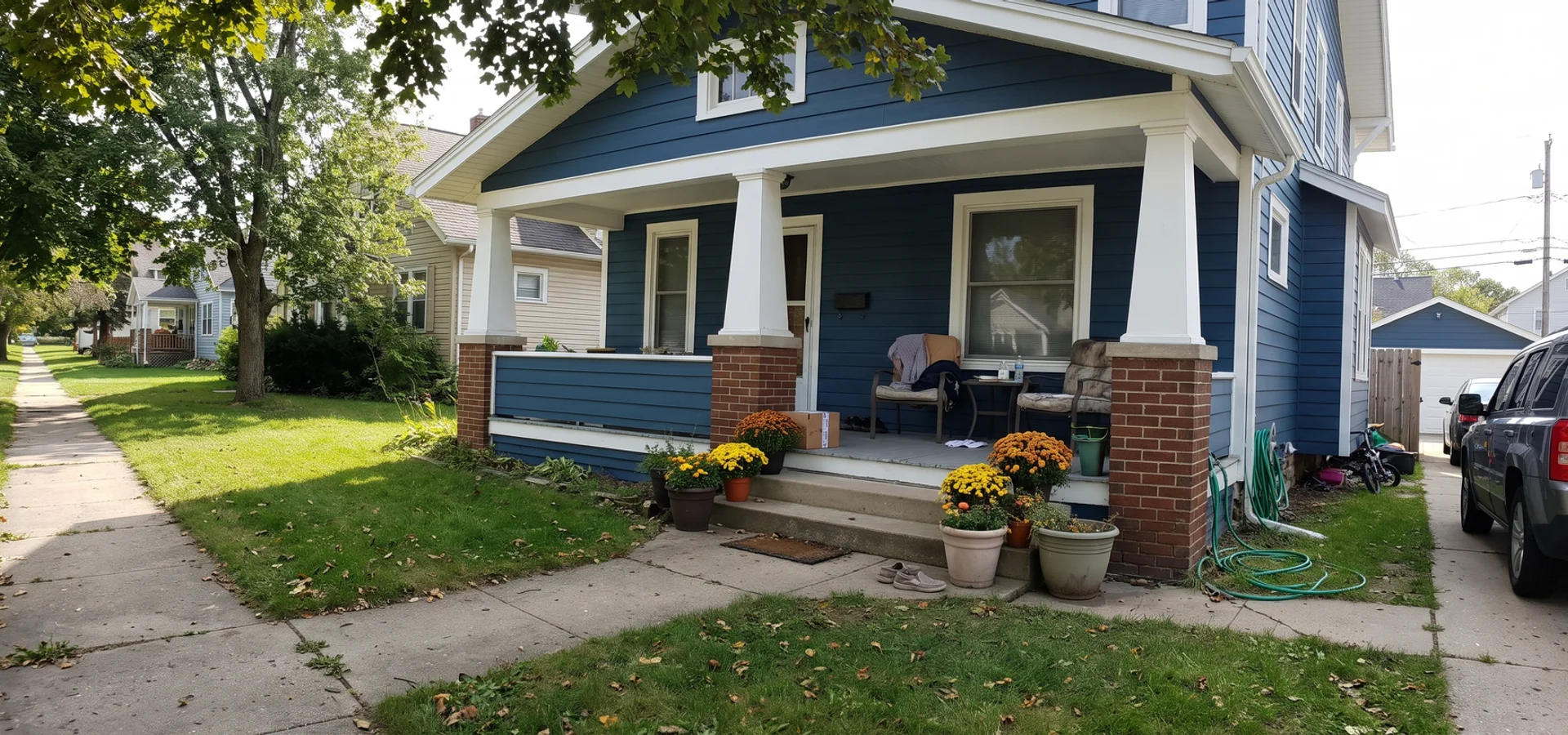
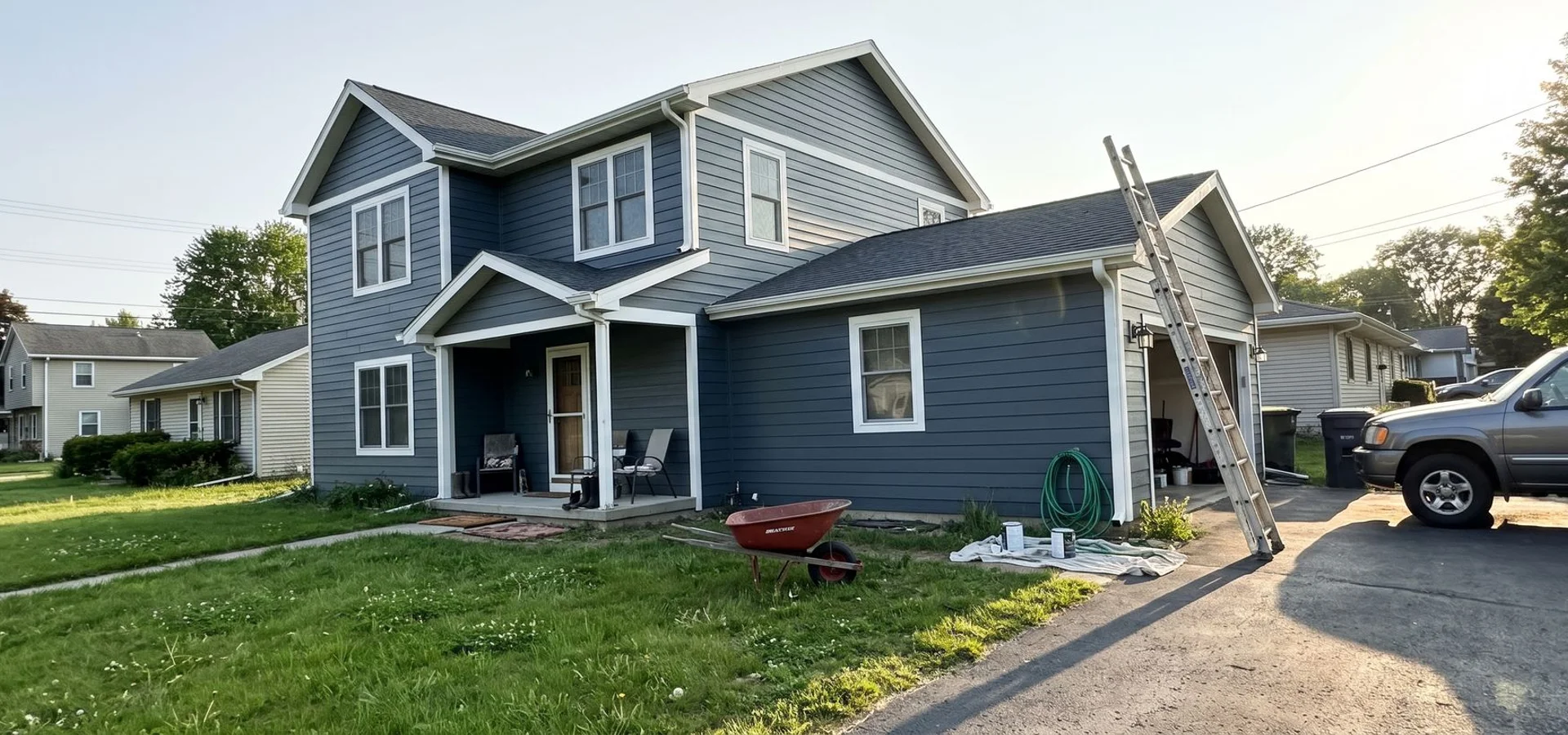
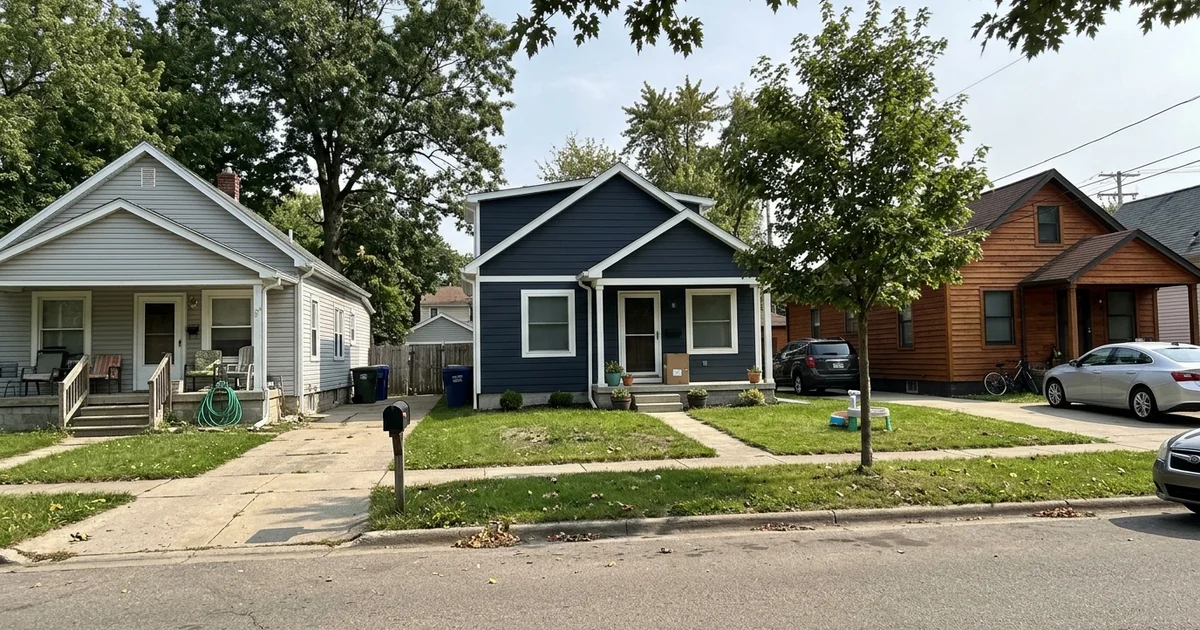
Grand Rapids house with fresh lap siding and white trim in late afternoon light
Free Estimate / No Pressure

Ready for a Straight Price on Wood and Cedar Siding?

Tell us about the house. We'll come out, take a look and give you a free written estimate with a straight price range.

  • 20+ years experience
  • Straight price ranges
  • Written estimate
Free Estimate