Siding Lifespan Depends on More Than the Material
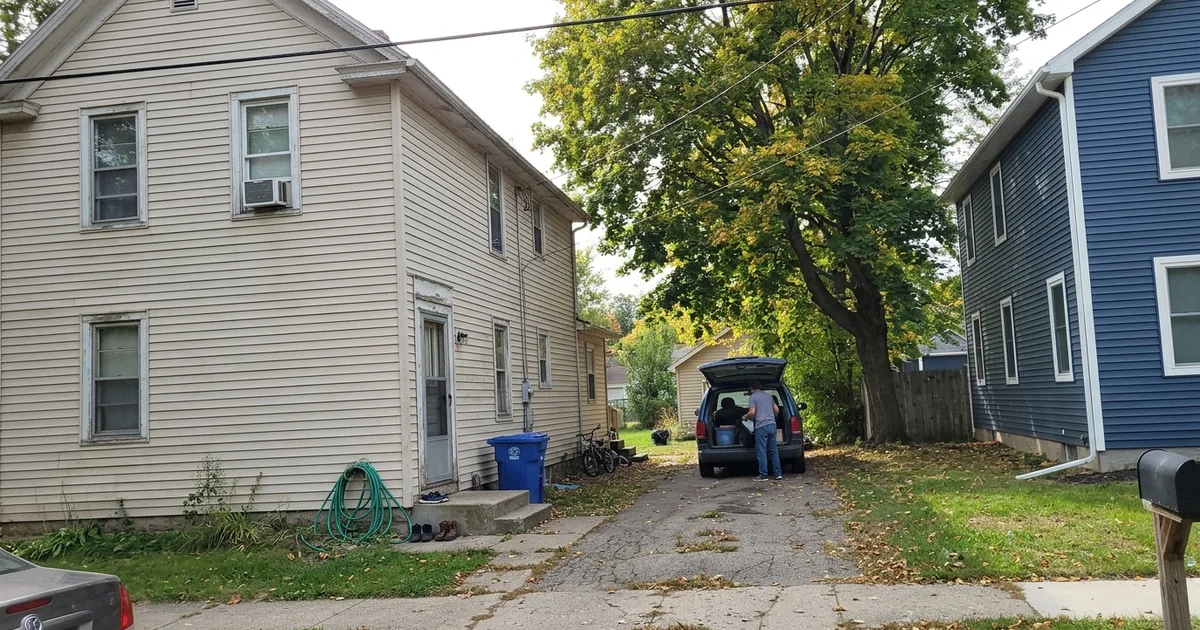
If you live in Grand Rapids or anywhere in West Michigan, you know your siding works hard. It bakes in July sun, freezes and thaws all winter, and takes lake-effect snow, spring storms and the odd snowblower bump.
So how long does siding last in Michigan? Most materials land somewhere between 20 and 50 years, and three things decide where yours falls: the material, how well it was installed, and how well it’s been kept up.
Grand Rapids gets roughly 64 to 72 inches of snow a year, according to Brace Homes, compared with a national average of about 28 inches. That’s a lot of moisture working on every joint and seam.
Here’s what we cover below: realistic ranges by material, what shortens them here, and the signs your siding is near the end. If you’re starting to think about a project, our Grand Rapids siding contractor team can take a look and give you a straight answer for free.
Manufacturers publish warranty terms, and you’ll see big numbers on brochures. James Hardie, for example, backs its fiber cement boards with a 30-year non-prorated warranty. A warranty is a promise about defects, though, not a forecast for your walls.
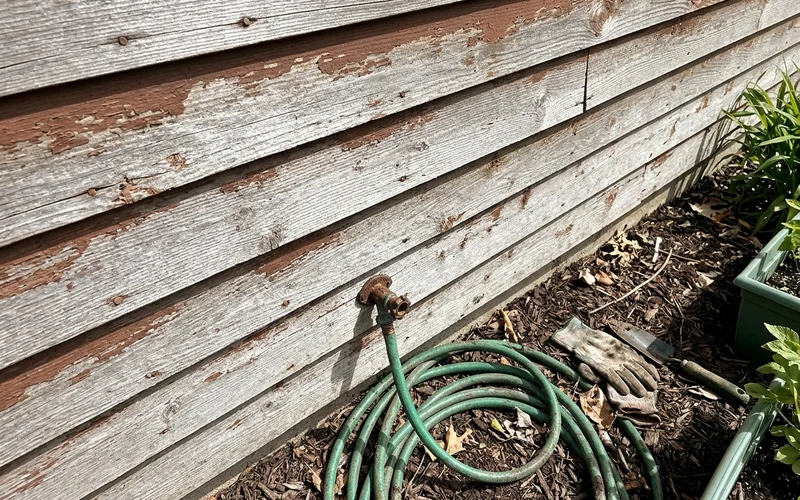
Real-world life is usually shorter on the walls that get the most sun and water, and longer on sheltered walls. Two sides of the same house can age very differently. Standard Companies, a Michigan exterior contractor, points out that freeze-thaw cycles, summer UV and sudden hail put siding through a stress test most national estimates don’t fully account for.
The short version
Material sets the ceiling. Installation and upkeep decide how close you get to it.
Typical Lifespans by Material
Vinyl runs about 20 to 40 years, fiber cement about 30 to 50, and cedar 20 to 40 or more. These are general ranges we see on West Michigan houses, not promises. Your siding may land above or below them. If you’re choosing a material rather than judging the one you have, our vinyl vs. fiber cement vs. wood siding comparison puts all three side by side.
| Material | General lifespan range | What decides where it lands |
|---|---|---|
| Vinyl | Roughly 20 to 40 years | Panel thickness, sun exposure, installation (nailing loose enough to move), impacts in cold weather |
| Fiber cement | Roughly 30 to 50 years | Clearances at roof and ground, joint flashing, keeping paint and caulk up |
| Cedar and wood | Roughly 20 to 40+ years | Regular stain or paint, back-priming, keeping boards off the ground and away from roof runoff |
Vinyl doesn’t rot, but it fades and gets brittle over time. Thin panels on a sunny south wall can look tired well before thicker panels on a shaded north wall. Panel thickness runs from about 0.040 inches on builder-grade lines to 0.050 or more on premium ones, according to InspectandTest’s 2026 vinyl guide, so ask which one you’re getting. Our vinyl siding page explains how panel grade and nailing affect your vinyl siding lifespan.
Nailing matters as much as thickness. InterNACHI says fastener heads should leave about 1/32 inch of clearance, roughly the thickness of a dime, so the panel can slide as temperatures swing.
Fiber cement holds its shape well. Its weak points are the edges and the paint. Boards installed tight to the roofline or the ground soak up water at the cut ends, which is why manufacturer guidance calls for about 6 inches of clearance above grade. The fiber cement siding lifespan also depends on the finish. James Hardie’s ColorPlus factory finish carries a 15-year limited warranty, and Home Genius says field-painted boards need repainting every 7 to 10 years. Repaint and recaulk on schedule and the boards can last a long time.
Cedar can last generations on a well-kept house. Peak Home Exteriors, a Michigan contractor, puts the cedar siding lifespan at 20 to 40 years on average and 60-plus with regular sealing and staining. Skip the stain or paint for too many years and the boards gray, split and cup. Many older Grand Rapids homes still wear original wood siding because someone kept up with it. See wood and cedar siding for how we repair it a board at a time.
What Shortens Siding Life in Michigan
Moisture, temperature swings and skipped upkeep do most of the damage here. A few things show up again and again when we look at worn-out siding:
- Freeze-thaw cycles. Water that gets into cracks, joints or wood fibers expands when it freezes. Do that dozens of times a winter and small gaps grow.
- Trapped moisture. Missing kick-out flashing, failed window flashing or torn house wrap let water get behind the siding. The siding may look fine while the sheathing behind it rots.
- Cold-weather impacts. Vinyl gets stiffer in the cold. A hit that would just flex a panel in summer can crack it in January.
- Sun. South and west walls fade and dry out first, on every material.
- Skipped upkeep. Paint, stain and caulk are part of the deal with fiber cement and wood. Let them go and the clock speeds up.
- Poor installation. Vinyl nailed tight, fiber cement without joint flashing, or wood without back-priming all fail early.
Two of these deserve a closer look. Kick-out flashing is the small bent piece of metal where a roof edge meets a wall, and it steers water into the gutter. The International Residential Code requires it at those junctions on asphalt shingle roofs, and the Pacific Northwest National Laboratory’s Building America guide shows how a missing one lets water pour down the wall and into the seams around windows.
On the cold side, JLC’s builder guide notes that vinyl expands and contracts more than any other popular siding material, and that in intense cold it can shatter from something as small as an icy snowball. Keep shovels, ladders and snowblower chutes away from your vinyl walls in January.
Signs Your Siding Is Near the End
If you find several of these on different walls, your siding is likely near the end. Walk around your house on a bright day and look for these:
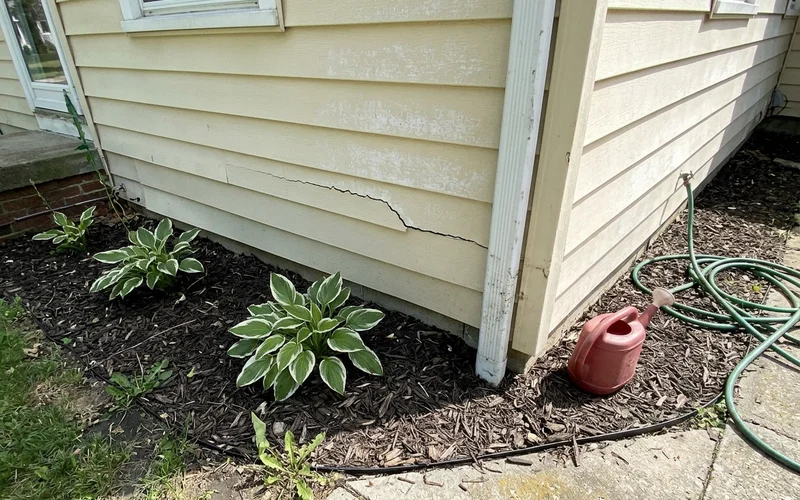
- Cracks, holes or warping on several walls, not just one spot
- Vinyl that’s chalky, brittle or badly faded
- Wood boards that are split, cupped or soft when you press them
- Paint or stain that won’t hold, even after recent refinishing
- Stains on interior walls, bubbling paint under windows or a musty smell near exterior walls
- Siding that’s loose, rattles in the wind or keeps coming off in storms
One or two of these in a single area usually means a repair. Several of them across the house is a sign the siding is near the end of its life.
Waves or ripples in vinyl don’t always mean age. InterNACHI says they often come from nails or staples driven through the face of the panel, which is an installation error. That’s a fix, not a reason to replace the wall.
When Repair Still Makes Sense
Repair makes sense when the damage is local, the wall behind it is sound, and the material can be matched. Old siding doesn’t automatically mean new siding. Fixing a few panels or boards often buys years. Our guide on siding repair vs. replacement walks through how we make that call.
Hidden moisture is the one thing that can change the answer. ABI Home Services says a missing kick-out flashing can cause thousands of dollars in water damage, and the rot can spread inside the wall cavity. So we check the sheathing before we promise a simple patch.
When the problems are widespread, a whole-house siding replacement lets us take everything down to the sheathing, fix what’s underneath, and start fresh with new wrap, flashing and siding.
So, how long does siding last in Michigan on your house? The only way to know is to look at it.
Not sure where your house stands? We’ll walk it with you, tell you honestly how much life is left, and put a straight price range in writing. Request a free estimate and we’ll take a look.